
Beauty treatments are often sold as fast routes to clearer skin, smoother lines, or a more “lifted” look, especially when a big event is looming. The trouble is that unrealistic expectations turn normal biology into a deadline, and deadlines make us reach for the strongest option, the quickest appointment, the most dramatic promise. Understanding why “quick fixes” rarely stick helps you protect your skin barrier, your wallet, and your confidence.
A result can be real and still be the wrong kind of real: swelling mistaken for volume, irritation mistaken for “active ingredients working”, or temporary tightness mistaken for long-term change. The bill arrives later, usually as sensitivity, pigment, breakouts, or a cycle of chasing the next boost.
Why results fade faster than the marketing suggests
Skin is not a blank canvas; it’s an organ with a repair schedule. Collagen remodelling, pigment turnover, and barrier recovery work in weeks and months, not overnight. When a treatment forces a visible change quickly, it often does so by creating controlled stress that must then be healed.
That healing is where the “long-term” part lives. Skip it, rush it, or stack too much at once, and you can end up worse off than you started-more reactive, more inflamed, and more tempted to overcorrect.
A fast visible effect is often a short chapter in a longer process, not the ending.
The hidden cost of doing too much, too soon
In beauty, the common mistake isn’t one bad product. It’s mixing strong steps without a plan: acids on top of retinoids, aggressive home devices on freshly treated skin, or “just one more facial” when the barrier is already compromised.
Inflammation has a way of looking like progress at first. Your face feels tight, looks flushed, and seems “awake”. Then the after-effects land: peeling that won’t settle, spots that cluster, makeup that suddenly won’t sit, and a general sense that your skin has become unpredictable.
Quick boosts that can backfire
- Over-exfoliation (scrubs, peels, acid toners used too often): smoother for days, sensitive for weeks.
- Strong actives stacked together (retinoid + acid + benzoyl peroxide): faster irritation, slower consistency.
- High-frequency injectables or energy devices without recovery time: swelling and bruising, then uneven texture or prolonged tenderness.
- “Detox” trends (harsh cleansing, stripping masks): short-lived clarity, then rebound oil and breakouts.
Timing matters more than intensity
A good plan borrows a principle from gardening: light changes while you stabilise, bigger changes when conditions are right. The “right” conditions in beauty are not a date on the calendar; they’re signs from your skin and your schedule.
If you want a more even tone, stronger collagen, or calmer acne, the safer route is usually staged: build tolerance, treat, then maintain. That means spacing appointments, not piling them up, and using home care as support rather than as a second treatment room.
Use cues, not panic:
- If your skin stings with a bland moisturiser, you’re not ready for more actives.
- If you can’t commit to sunscreen daily, pigment-targeting procedures will disappoint.
- If you’re sleep-deprived and stressed, inflammation will blunt results and amplify side effects.
What “unrealistic expectations” look like in the clinic
Unrealistic expectations are not vanity; they’re often confusion about what a treatment can and cannot change. Many concerns are structural (bone, fat pads, muscle pull), while others are surface-level (texture, pigment, dehydration). A surface solution for a structural issue usually creates a treadmill: repeated “top-ups” that never quite meet the original hope.
It also shows up as a time mismatch. Wanting a year’s worth of change in a week pushes people towards higher risk choices right before weddings, holidays, and photos-exactly when there’s the least room for swelling, purging, or bruising.
When the expectation is instant and flawless, even a good outcome can feel like failure.
A safer way to choose beauty treatments
Think in three layers: goal, mechanism, and recovery. If you can’t explain all three in plain language, you’re relying on hope rather than a plan.
- Name the goal (e.g., soften pigmentation, reduce inflammatory acne, improve laxity).
- Match the mechanism (brighteners vs lasers; injectables vs skincare; resurfacing vs hydration).
- Budget recovery time (days of dryness, weeks of redness, months for remodelling).
Simple screening questions that prevent regret
- What is the most common side effect, and how long does it typically last?
- What is the “good but normal” outcome after one session?
- What maintenance is expected-top-ups, skincare, sun avoidance, repeat courses?
- What would make me a poor candidate (history of pigment, eczema, cold sores, keloids, recent isotretinoin)?
Quick reference: fast effects vs durable change
| Quick effect | Why it happens | What makes it last longer |
|---|---|---|
| Tight, smooth feel | Temporary dehydration or swelling | Barrier repair + consistent moisturising |
| “Glow” after a facial | Surface polishing + increased circulation | Gentle routine + sun protection |
| Reduced blemishes in days | Drying/inflammation suppression | Sustained acne plan + fewer triggers |
When a “quick fix” is reasonable
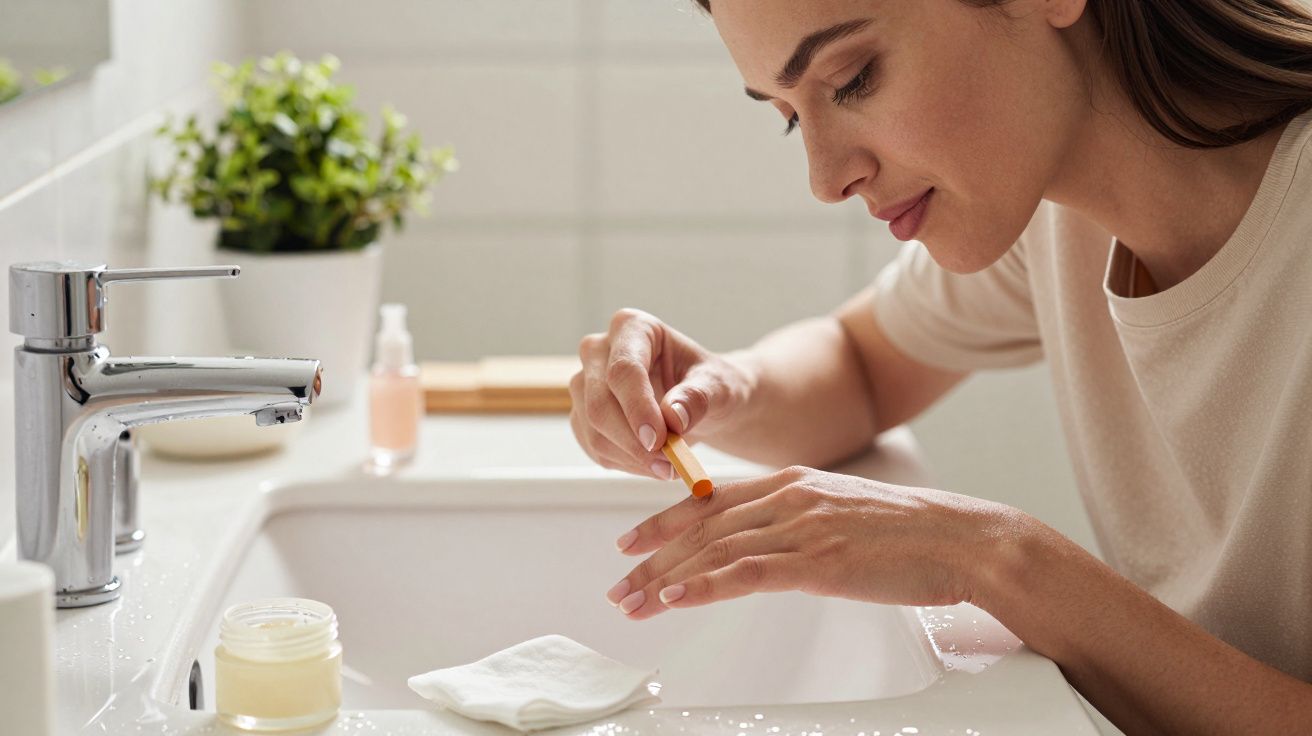
Not all fast interventions are bad. The key is choosing low-risk options that don’t demand the skin pay interest later. For many people, the best pre-event “quick fix” is conservative: hydration, calming inflammation, and avoiding new variables.
Examples that often behave well when done appropriately:
- A patch test and a simple, fragrance-free routine reset.
- A gentle professional treatment with minimal downtime (and no harsh peeling) well ahead of time.
- A haircut, brow shape, or makeup lesson-changes that don’t disrupt skin biology.
The rule that keeps you out of trouble
If you’re tempted to do something drastic because you feel behind, pause and stabilise first. In beauty, the quickest route to a reliable outcome is usually the boring one: fewer steps, clearer timelines, and enough recovery for your skin to actually finish the job.
Consistency doesn’t photograph as well as a miracle claim, but it’s what makes results look natural-and feel sustainable.




Comments (0)
No comments yet. Be the first to comment!
Leave a Comment