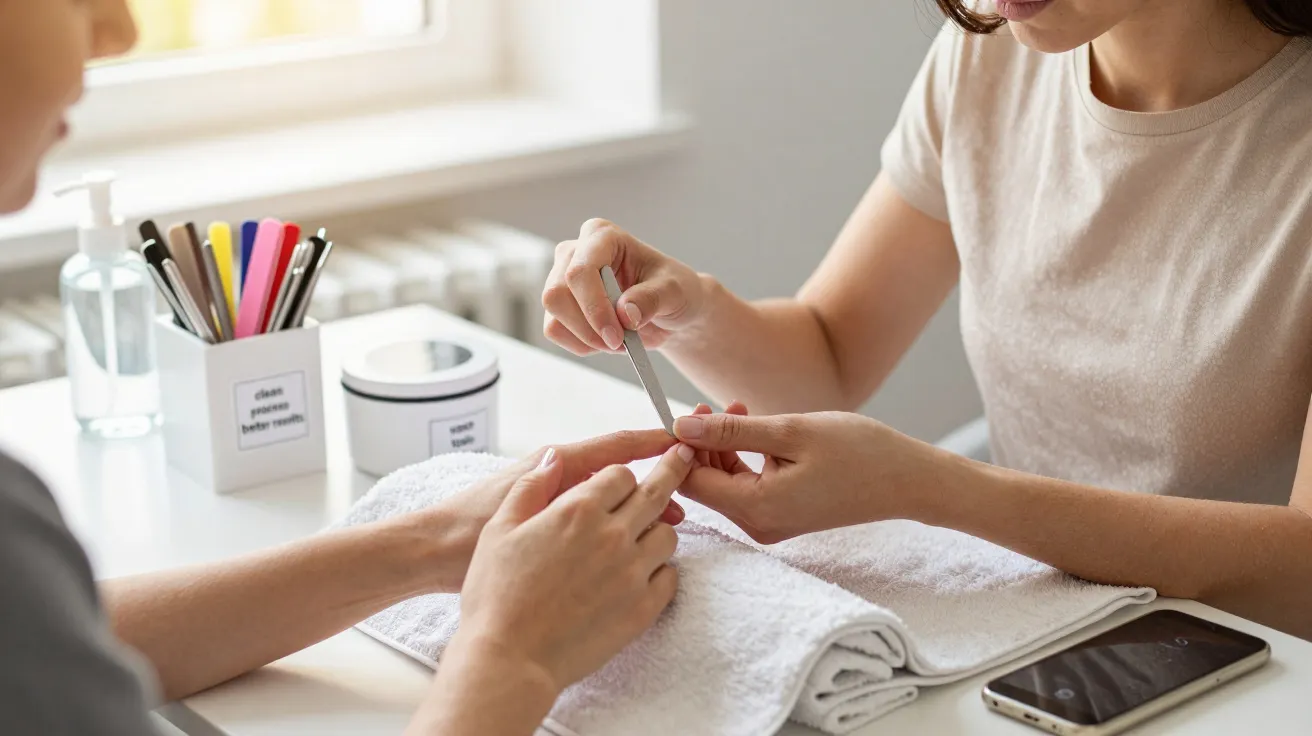
People talk about salon hygiene as if it’s purely about avoiding infection, but it also shapes treatment outcomes in ways clients can actually see and feel. The finish on a manicure, the longevity of a lash set, the calmness of skin after a facial - these aren’t just “technique”, they’re what happens when clean tools and clean processes stay consistent. If you’ve ever had a service that looked great on day one then failed fast, hygiene is often the quiet variable.
It’s easy to miss because the signs are subtle. A barely-damp towel, a brush that looks clean enough, a wax pot that’s been “fine all day”. Like a tiny setting left on, small lapses don’t always cause drama - they just nudge results downwards, one appointment at a time.
The hidden link between “clean” and “it lasts”
In a salon, performance depends on what touches the skin, hair or nail plate right before the product does. Oils, dust, old product residue and microscopic debris interfere with grip, cure and adhesion. That’s not a scare story; it’s basic contact chemistry.
Think of it like prep work in painting. Even premium paint fails on a dusty wall. In beauty, that “dust” can be dead skin, talc, make-up residue, cuticle debris, or contamination from a previous client. When the surface isn’t properly cleaned and handled, the service can still look good in the moment - then lift, cloud, itch, or inflame later.
Where hygiene shows up in results (even when nothing looks “dirty”)
Most clients only notice hygiene when something goes wrong. Pros notice it when consistency slips: one set lasts three weeks, the next lasts ten days, with no obvious change in technique.
Common result killers linked to hygiene standards include:
- Poor adhesion and early breakdown: lash adhesive struggling on oily, contaminated lashes; gel lifting when a nail file carries old product dust.
- Skin that stays reactive: post-wax redness that lingers because of double-dipping, overhandled skin, or product contamination.
- Patchy colour and uneven processing: tint or colour developing inconsistently when bowls, brushes, or hands carry oils and residue.
- Blocked follicles and bumps: after waxing or shaving-style treatments when tools and post-care products aren’t kept clean and client-specific.
None of this requires a dramatic “dirty salon” scenario. It only takes a few missed steps done repeatedly.
The quiet contamination points people forget
Some hygiene failures aren’t about visible grime; they’re about the workflow. The order you do things, what touches what, and whether “clean” stays clean once the treatment starts.
High-risk habits that wreck consistency
- Using the same implement between steps (or clients) without proper cleaning and disinfection.
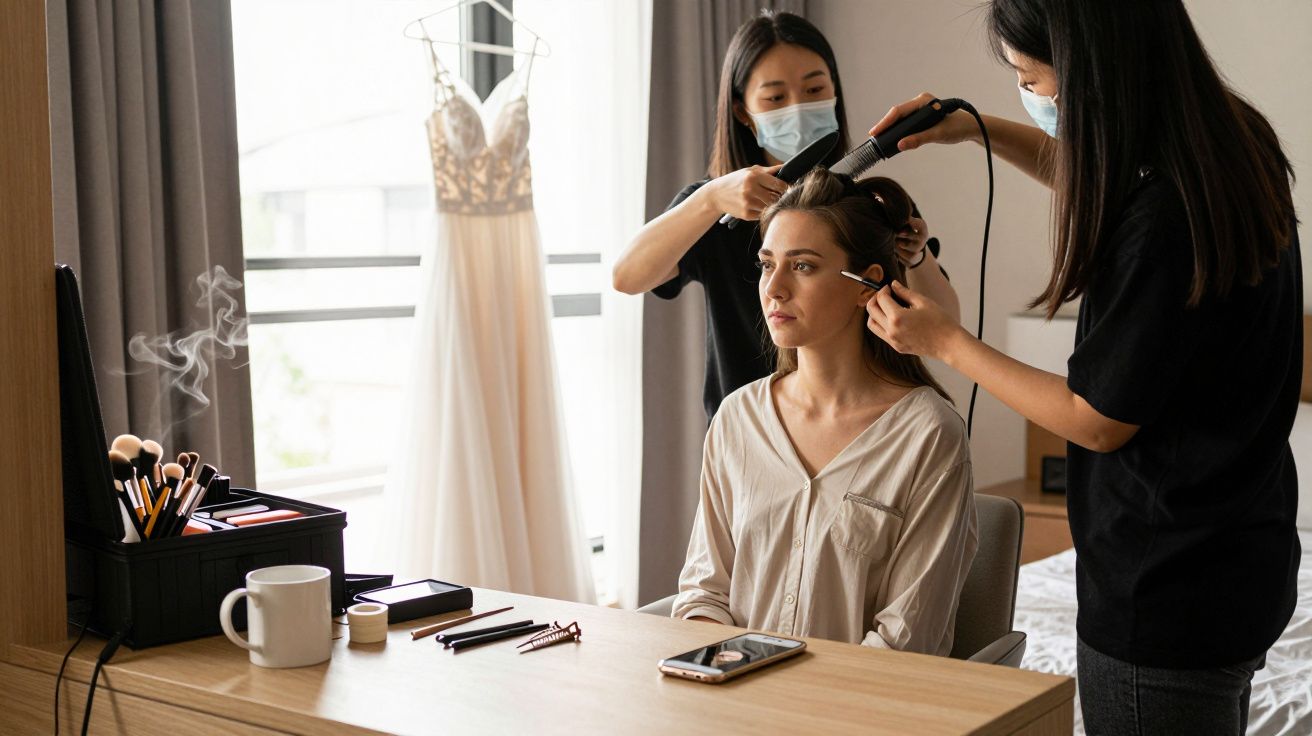
- Touching phone/screens, then returning to the client without washing or sanitising hands.
- Decanting product badly: dipping spatulas back into jars, topping up bottles, or letting nozzles touch skin.
- Storing clean tools in open trays where dust, aerosols and hair settle.
- Treating “quick wipe” as sterilisation, especially on metal tools used around broken skin.
A salon can feel spotless and still run these patterns. The outcome is usually not immediate harm - it’s unpredictability.
Why “sterile enough” doesn’t exist for performance
There’s a useful mindset shift here: hygiene isn’t a single step you do at the start of the day. It’s a chain. Break the chain anywhere and you introduce variables you can’t control.
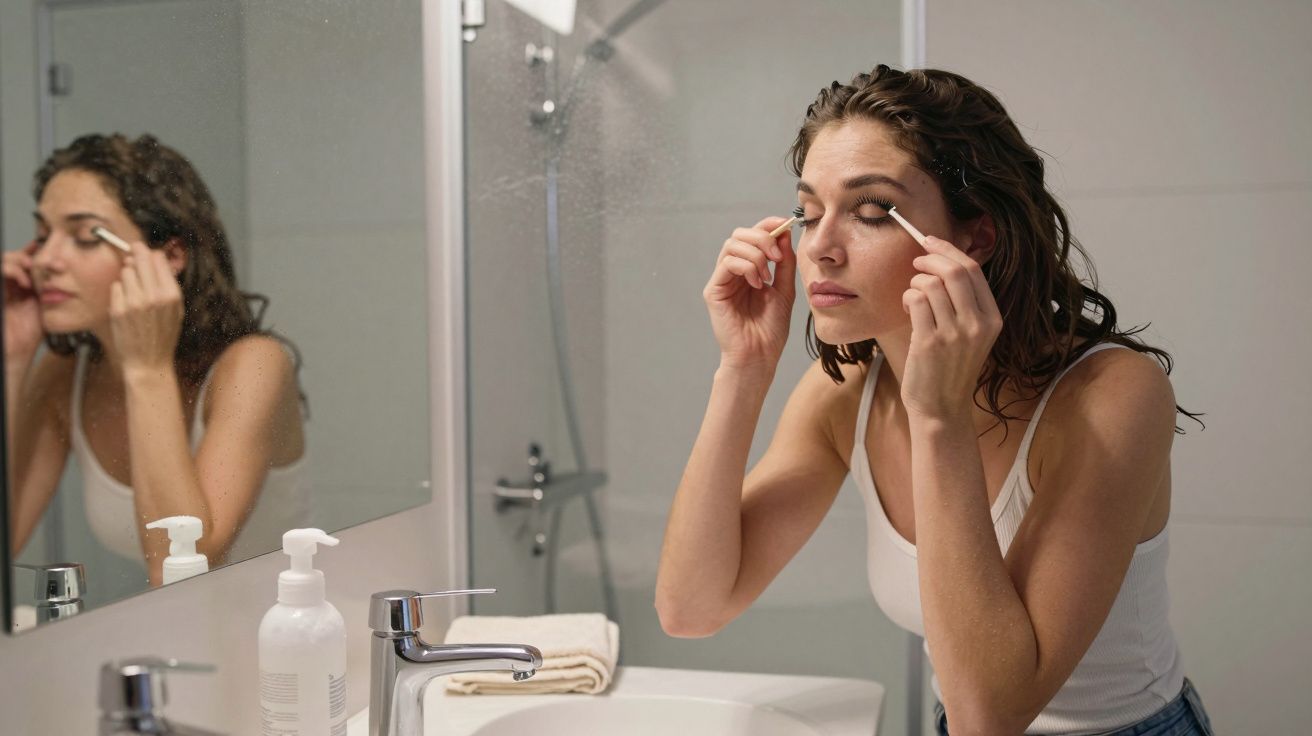
For example, nail services rely on a clean, properly prepped nail plate. If a buffer has old oils or dust embedded in it, it reintroduces exactly what you’re trying to remove. In lash work, a contaminated brush or a poorly cleaned tweezer can change how adhesive cures, which changes retention. In facials, reused towels or contaminated product pumps can turn a soothing treatment into a low-grade irritation cycle.
Hygiene standards don’t just protect clients - they stabilise the conditions that make a service behave predictably.
What good hygiene looks like, in practice (not posters)
You don’t need to memorise regulations to spot strong standards. You’re looking for repeatable behaviours, not a one-off show.
Signals a salon is controlling variables properly
- Hands are cleaned at sensible moments: before contact, after touching non-sterile surfaces, and between tasks.
- Tools are either single-use or have a clear clean–used–disinfected flow (often separate containers).
- Products that touch skin are dispensed without back-contamination (pumps, single-use spatulas, decanted portions).
- Treatment areas are reset between clients: not just tidied, but wiped with appropriate products and allowed correct contact time.
- There’s no awkwardness when you ask: “How do you disinfect these?”
The result is boring, in the best way. Services last as expected. Skin calms down quickly. Small issues don’t snowball into bigger ones.
If you’re a client: the fast checks that protect your money as well as your health
If your goal is better treatment outcomes, focus on the moments that influence prep and contact surfaces.
- Watch what happens before the service starts: is there a proper reset, or just a quick shuffle?
- Look for single-use where it matters: mascara wands, wax sticks, nail files (or clearly labelled personal files).
- Notice whether “clean tools” are stored properly, not loose in a drawer with dust and product.
- Pay attention to touch points: if they handle cash/phone then go straight back to your face, that’s a process gap.
Good salons won’t make you feel difficult for noticing. They’ll be pleased you care, because it shows you understand quality.
The payoff: fewer surprises, longer wear, calmer skin
When hygiene is treated as part of craft, results stop being a gamble. Retention improves because prep stays true. Colour looks more even because tools and mixtures are consistent. Skin behaves better because it isn’t being challenged by avoidable contamination.
Safety is the baseline. The real win is reliability - the kind you notice when you stop needing “fixes”, emergency removals, or the quiet dread of “Will it last this time?”.
FAQ:
- Can a salon be “clean” and still give poor results? Yes. A space can look tidy while the workflow re-contaminates tools or products, which affects adhesion, curing, and skin response.
- What’s one hygiene mistake that most affects longevity? Reusing or poorly disinfecting tools that touch the treatment surface (nail files/buffers, lash tools, tint brushes). It reintroduces oils and residue right when prep is meant to remove them.
- Is hand sanitiser enough between clients? Sometimes, but not always. Hands should be washed when visibly soiled and sanitised at appropriate moments; tools and surfaces still need proper cleaning and disinfection.
- How can I ask about hygiene without sounding rude? Keep it practical: “Do you use single-use files or personal files?” or “How do you disinfect these between clients?” A professional salon will answer clearly.




Comments (0)
No comments yet. Be the first to comment!
Leave a Comment