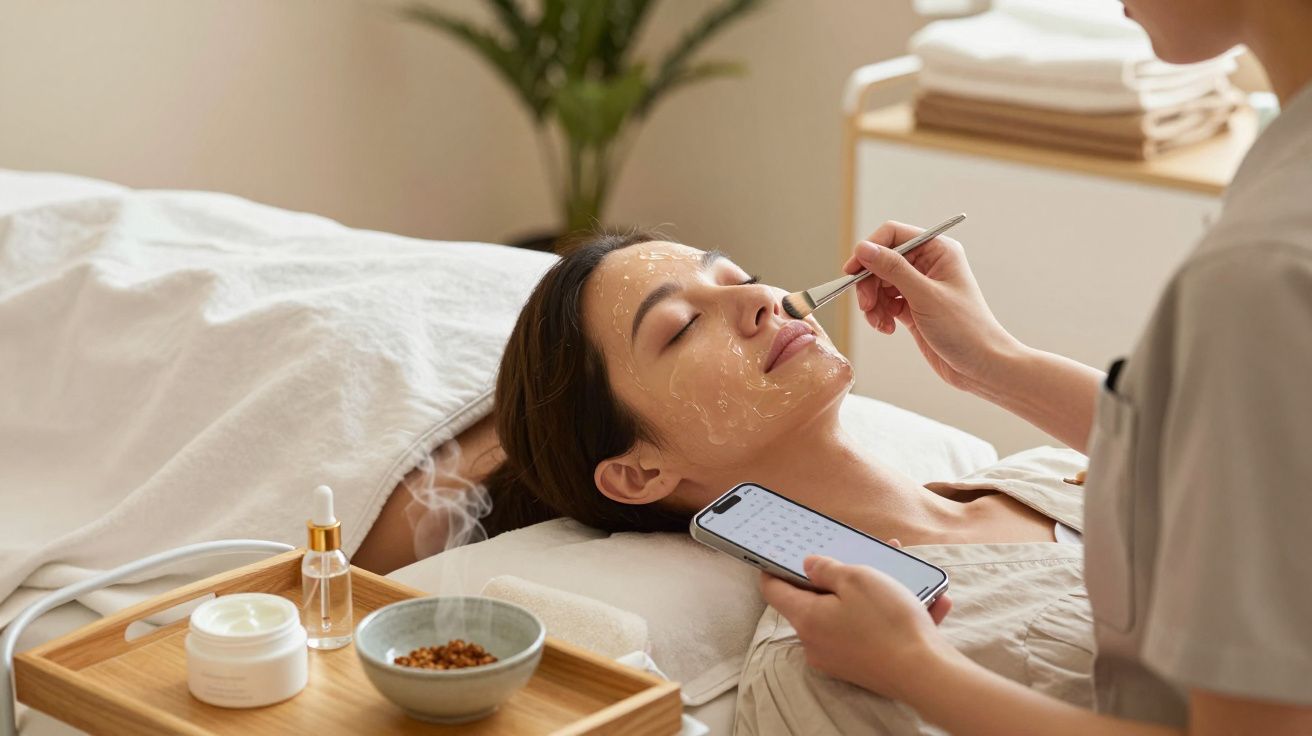
You’ve booked the slot, you’ve checked the lighting in the venue toilets, and you’re quietly hoping your skin doesn’t decide to “purge” on the one day it matters. Hydration facials have become the dependable choice for event skin preparation because they prioritise calm, bounce, and surface glow on a predictable timeline. Anti-ageing facials can be brilliant-just not always brilliant this week.
The night before an event isn’t the moment to gamble on deep stimulation and post-treatment unpredictability. What you want is a face that looks rested, makeup that sits flatter, and a mirror that stops asking follow-up questions.
Why “glow now” beats “results later”
Hydration work is immediate by design. It focuses on topping up water content in the upper layers of the skin, supporting the barrier, and smoothing texture so light reflects more evenly. That’s why the effect reads as “fresh” rather than “done”.
Anti-ageing facials often chase longer-term changes: collagen support, cell turnover, pigment correction, firmness. Those goals usually involve stronger actives, more heat, deeper massage, or exfoliation that can leave you a little reactive before it leaves you radiant.
You trade breadth for certainty. Before an event, certainty wins.
What hydration facials actually do (and why they photograph well)
A well-built hydration facial is less about drama and more about stacking small, safe gains. Cleanse, gentle exfoliation (often enzymatic), humectants to draw in water, occlusives to slow water loss, and a soothing finish that reduces redness.
The visual payoff is simple: smoother skin throws less shadow. Makeup grips without clinging. High points look naturally lit rather than oily. And if you’re being photographed under harsh flash, that calmer surface can be the difference between “glass skin” and “why can I see every pore I’ve ever had”.
Look for these event-friendly ingredients and steps:
- Hyaluronic acid, glycerin, panthenol (hydration that behaves)
- Ceramides, squalane (barrier support, less flaking)
- Centella, aloe, oat (redness insurance)
- A hydrating mask with light massage or lymphatic-style drainage (de-puffing without bruising)
The hidden risk with anti-ageing facials right before a big day
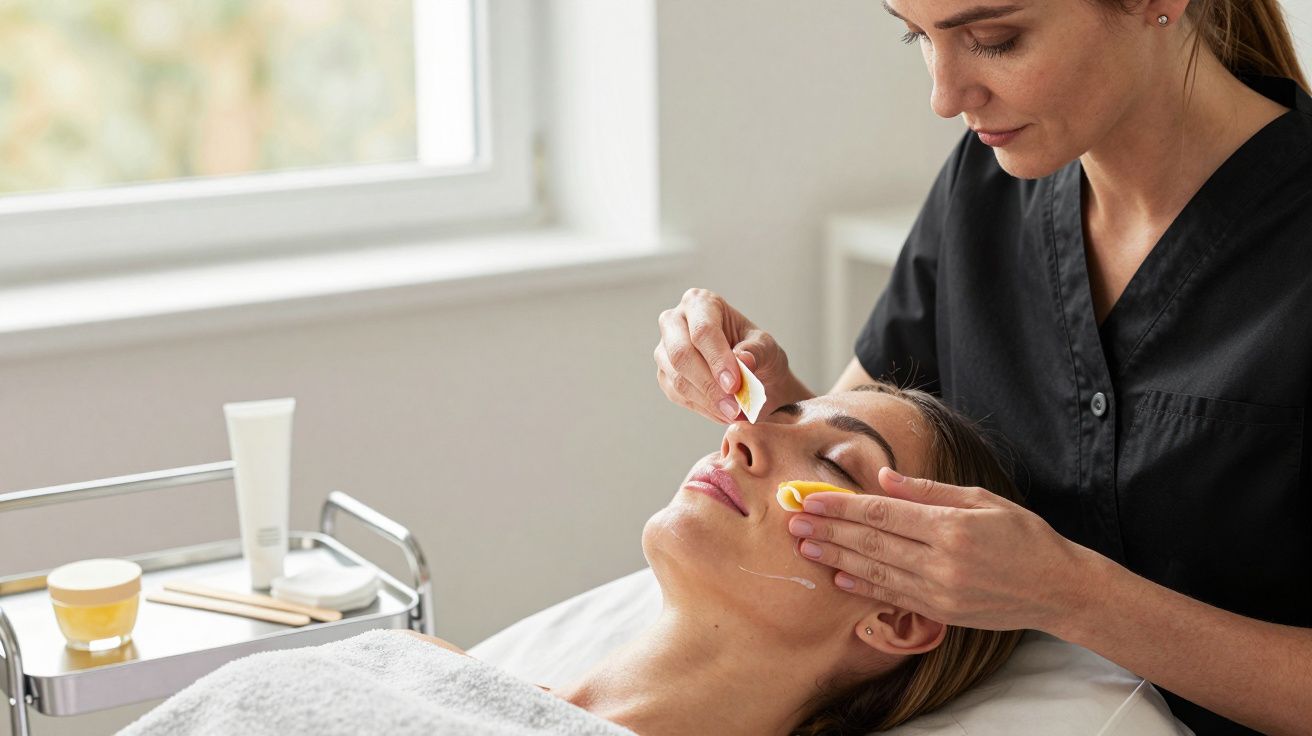
Anti-ageing treatments aren’t one thing; they’re a category. The issue is that many “anti-ageing” methods are intentionally provocative-they create a controlled stress so the skin remodels afterwards. That remodel is not usually at its best on day one or two.
Common pre-event pitfalls include:
- Over-exfoliation: tightness, shine that looks like oil, and foundation separating around the nose and mouth.
- Sensitivity flare-ups: redness that reads as heat on camera and is hard to neutralise with concealer.
- Micro-swelling: especially after strong massage, devices, or aggressive extractions.
- Delayed surprises: a blemish that wasn’t visible at the appointment but announces itself 48 hours later.
None of this means anti-ageing facials are “bad”. It means they’re better timed like training, not like a quick outfit change.
“Hydration is the face you can wear immediately. Anti-ageing is the face you grow into.”
A practical timeline for event skin preparation
If you want the best of both worlds, plan like you’d plan hair colour: do the transformative work early, then do the polishing work close to the date.
A simple timing framework:
- 2–6 weeks out: anti-ageing or corrective treatments (peels, retinoid-led facials, device-based work) if your skin tolerates them.
- 7–3 days out: hydration facials focused on barrier support, gentle enzymes, calming masks, light massage.
- 24–48 hours out: keep it simple-hydrating sheet mask, bland moisturiser, no new actives, no “just a quick scrub”.
If you’re acne-prone, ask for a hydration-focused facial that avoids heavy occlusives and keeps extractions conservative. If you’re dry or sensitised, hydration plus barrier repair is usually the fastest route to looking like you sleep.
How to choose the right pre-event facial (without overthinking it)
Bring your event date and your skin’s recent behaviour, not your aspirational skincare mood. The best therapist will match intensity to timeline.
A quick checklist to say out loud at booking:
- “I have an event on [date] and I need predictable results.”
- “My skin reacts to [fragrance/strong acids/retinoids].”
- “I’m wearing makeup; I need texture to sit smoothly around [nose/mouth/forehead].”
- “Please keep extractions light unless there’s an obvious blockage.”
And one quiet rule that saves faces: don’t introduce a new active at home after the facial because you’re enjoying the glow. Let the glow do its job.
| Choice | Best timing | Why it works for events |
|---|---|---|
| Hydration facial | 1–7 days before | Immediate plumpness, calmer tone, smoother makeup |
| Anti-ageing facial | 2–6 weeks before | Allows time for turnover, recovery, and results to settle |
| Strong peel / intensive device | Not last-minute | Higher risk of redness, peeling, or sensitivity |
FAQ:
- Are hydration facials suitable for sensitive skin? Often, yes-especially when they focus on barrier repair and avoid fragrance and strong acids. Tell your therapist about any recent irritation or eczema.
- How close to an event can I book a hydration facial? Many people do well at 2–4 days before; some prefer 5–7 days if they’re prone to post-facial congestion. If you’ve never had one, don’t gamble the day before.
- Will a hydration facial make me break out? It shouldn’t, but rich products and heavy massage can trigger some acne-prone skins. Ask for non-comedogenic products and minimal occlusive layers.
- Should I stop retinoids before my pre-event facial? If you’re doing a hydration facial, pausing retinoids 2–5 days beforehand can reduce sensitivity. For stronger treatments, follow your clinic’s guidance.
- Can I combine anti-ageing and hydration in one appointment? Sometimes, but keep it conservative before an event: gentle enzyme exfoliation plus hydration is usually safer than stacking strong acids, devices, and extractions.




Comments (0)
No comments yet. Be the first to comment!
Leave a Comment