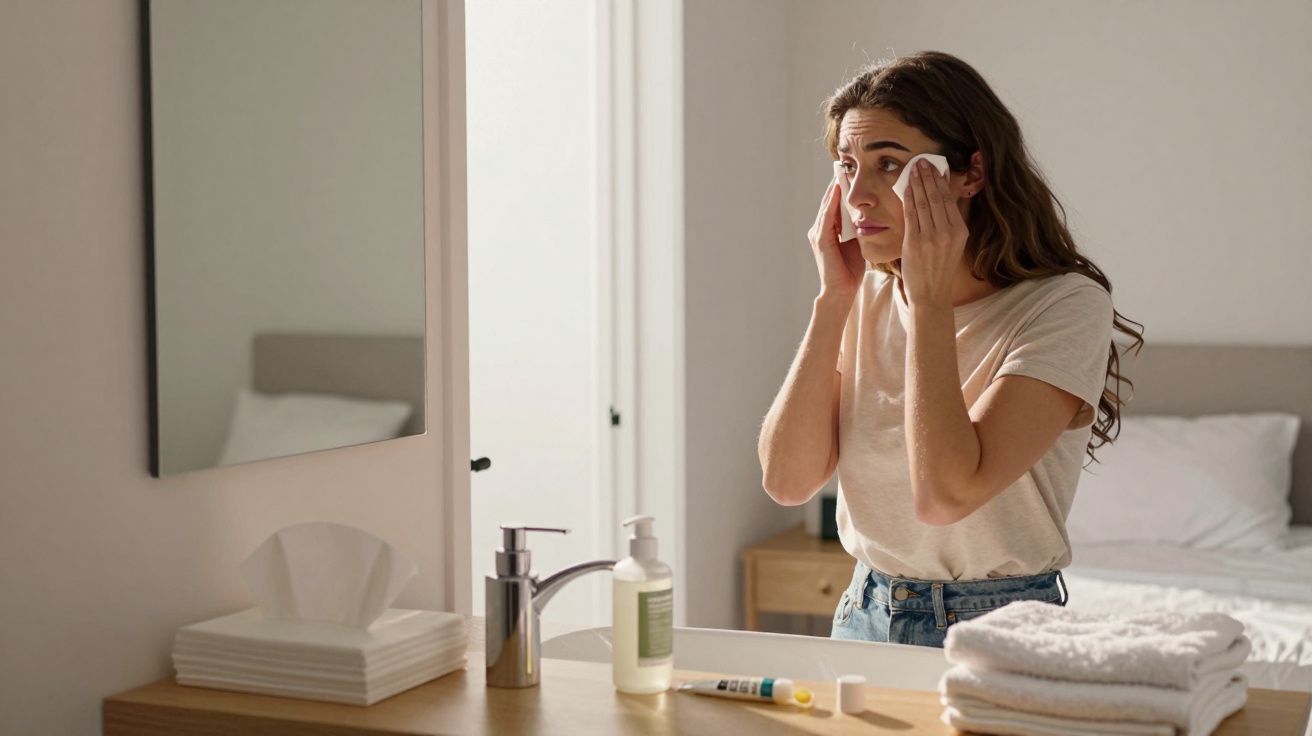
Aftercare instructions are the bit everyone hears, nods at, and then forgets the moment they leave the clinic or switch off the artist’s voice note. They’re also the quiet hinge of result longevity: the difference between “that healed beautifully” and “why did it fade/blur/flake like that?” It doesn’t matter whether you’ve had a fresh tattoo, cosmetic tattooing, a peel, microneedling, or a tiny tweak to brows or lips-the real work starts at home, when nobody’s watching.
I’ve seen people baby the appointment like it’s a wedding, then treat the healing like it’s an optional admin task. They’ll spend hours choosing a practitioner and ten minutes ignoring the rules. The frustrating truth is that the most expensive part isn’t the session; it’s the consequences of skipping the boring bits.
Why aftercare decides everything
Most results fail in the same unglamorous ways: too much moisture, too little moisture, too much friction, too much sun, or too much “I thought it would be fine.” Healing tissue is busy building a barrier, and anything that disrupts that process-heat, sweat, picking, harsh products-changes how pigment settles, how collagen remodels, or how evenly skin recovers.
Think of it like wet cement. You can’t judge the finish while it’s still setting, and you can’t keep touching it to “check.” A few casual mistakes in the first week can lock in a lifetime of unevenness, or at least a shorter-than-necessary lifespan before you’re booking a correction.
There’s also a timing trap. Many treatments look amazing on day one, then go dull, then patchy, then better again. People panic at the dip and start “fixing” it with actives, exfoliation, or extra cleansing. That’s how good work gets sabotaged by good intentions.
The common ways people accidentally undo good work
A lot of damage isn’t dramatic-it’s routine. These are the biggest repeat offenders across most skin and pigment services:
- Over-cleansing: too hot, too often, too aggressively, or with foaming/active cleansers when the skin wants gentle and boring.
- Over-occluding: thick layers of ointment that keep the area soggy, trapping bacteria and softening scabs so they lift early.
- Friction: towels, pillowcases, tight hats, helmet straps, makeup brushes, cotton pads, even “just a little scratch.”
- Heat and sweat: gyms, saunas, steam rooms, hot yoga, long baths-anything that swells tissue and shifts healing.
- Sun and tanning: UV doesn’t negotiate. It fades pigment, inflames healing skin, and amplifies post-treatment marks.
- DIY interventions: acids, retinoids, scrubs, whitening toothpaste (yes), “natural” oils that irritate, and random TikTok hacks.
If you recognise yourself in any of those, you’re not alone. The point isn’t guilt; it’s control. Aftercare is the one part you can actually influence.
The simple rule: treat it like healing, not maintenance
Maintenance is what you do to normal skin. Healing is what you do to an open, vulnerable, freshly-treated surface. That means your goal isn’t glow; it’s stable recovery.
Most reputable aftercare instructions boil down to three actions: clean gently, protect lightly, leave it alone. The details vary by treatment and practitioner, but the rhythm is consistent: short, calm routines repeated reliably.
Here’s a practical framework that fits most scenarios without pretending one set of rules covers everything:
- Clean with lukewarm water and a mild, fragrance-free cleanser (or as directed), using clean hands.
- Pat dry-don’t rub-using disposable tissue or a fresh, soft towel.
- Apply a thin layer of the recommended product only if advised, and only as much as needed to stop tightness.
- Keep it out of trouble: no sun, no heat, no sweat, no swimming, no makeup on the area unless cleared.
The hardest part is step five: don’t pick. Not “try not to.” Don’t.
Result longevity is mostly decided in the first week
This is the part nobody wants to hear: you don’t earn longer-lasting results by being intense; you earn them by being consistent. The first few days set the foundation-how evenly the skin calms, how much inflammation lingers, how stable pigment or texture changes become.
If you’re dealing with anything pigment-based (tattooing, microblading, lip blush), early healing influences how much colour stays and how clean the edges remain. If you’re dealing with resurfacing (peels, microneedling, laser), early healing affects how smoothly the skin remodels and how likely it is to mark.
A good practitioner can control needles, depth, mapping, sterility, and technique. They can’t control your pillowcase, your gym schedule, or the moment you decide a scab is “ready” because it looks annoying on a video call.
A tiny checklist you can actually follow
Screenshot this. Stick it on the bathroom mirror. Treat it like the boring little contract that protects your money and your face.
- Wash hands before touching the area.
- Keep cleansing gentle and brief; no active ingredients unless approved.
- Use only the products you were told to use-no experimenting mid-heal.
- Avoid sweating, swimming, and long hot showers for the advised period.
- Keep hair, hats, and straps off the area where possible.
- Change pillowcases often; keep pets away from fresh work.
- Use SPF when permitted (and then use it like you mean it).
If your instructions conflict with a generic list online, follow the practitioner who saw your skin, your treatment, and your reaction in real time.
Make it easier to comply (because willpower is a weak plan)
The best aftercare isn’t heroic. It’s designed so you don’t have to think.
Set up a “healing station” before you go in: gentle cleanser, recommended ointment or moisturiser, tissues, and a clean towel. Plan workouts around the downtime, not the other way round. If your job requires helmets, masks, or heat exposure, tell your practitioner beforehand so the plan fits your life.
Small environmental tweaks do more than motivation. Clean pillowcases, a reminder on your phone for cleansing times, and moving actives to the back of the cupboard so you don’t “accidentally” use them-these are boring controls that protect the outcome.
When to worry (and when to stop staring at it)
Some discomfort is normal: mild swelling, tenderness, flaking, temporary dullness, or unevenness during the shed phase. What isn’t normal is anything that suggests infection or a reaction that’s escalating.
Contact your practitioner promptly if you notice:
- increasing redness that spreads beyond the treated area
- worsening pain or heat, rather than gradual improvement
- thick yellow/green discharge or a strong odour
- fever, chills, or feeling unwell
- raised rash, hives, or sudden swelling that doesn’t settle
And if you’re simply anxious because it looks “worse” mid-heal, send a photo. Most professionals would rather reassure you early than fix avoidable damage later.
The quiet truth
You don’t need perfect skin, perfect habits, or a monk-like routine. You need to follow the aftercare instructions you were given with boring consistency, especially when the novelty has worn off and it feels like it “should be fine by now.” That’s where result longevity is won: in the unsexy days when you’re tempted to rush the process.
FAQ:
- Do aftercare instructions really differ that much between treatments? Yes. A fresh tattoo, a chemical peel, and microneedling may share themes (gentle, clean, protected), but the timing, products, and restrictions can differ-follow the plan you were given.
- Can I put my usual moisturiser on it if it feels dry? Only if it’s specifically approved. Many everyday products contain fragrance, acids, or occlusives that can irritate healing skin or interfere with pigment settling.
- When can I exercise again? When your practitioner says it’s safe. Sweat and heat can extend inflammation and increase irritation; if you must move, choose low-sweat options and keep the area protected.
- Why does it look patchy or faded halfway through healing? That “awkward phase” is common. Skin sheds, tightens, and rehydrates in stages; premature picking or over-cleansing is the fastest way to make patchiness permanent.
- Is SPF part of aftercare or just general advice? It’s both, but timing matters. Once you’re cleared to apply it, consistent SPF is one of the biggest levers for protecting colour and preventing post-treatment dark marks.





Comments (0)
No comments yet. Be the first to comment!
Leave a Comment