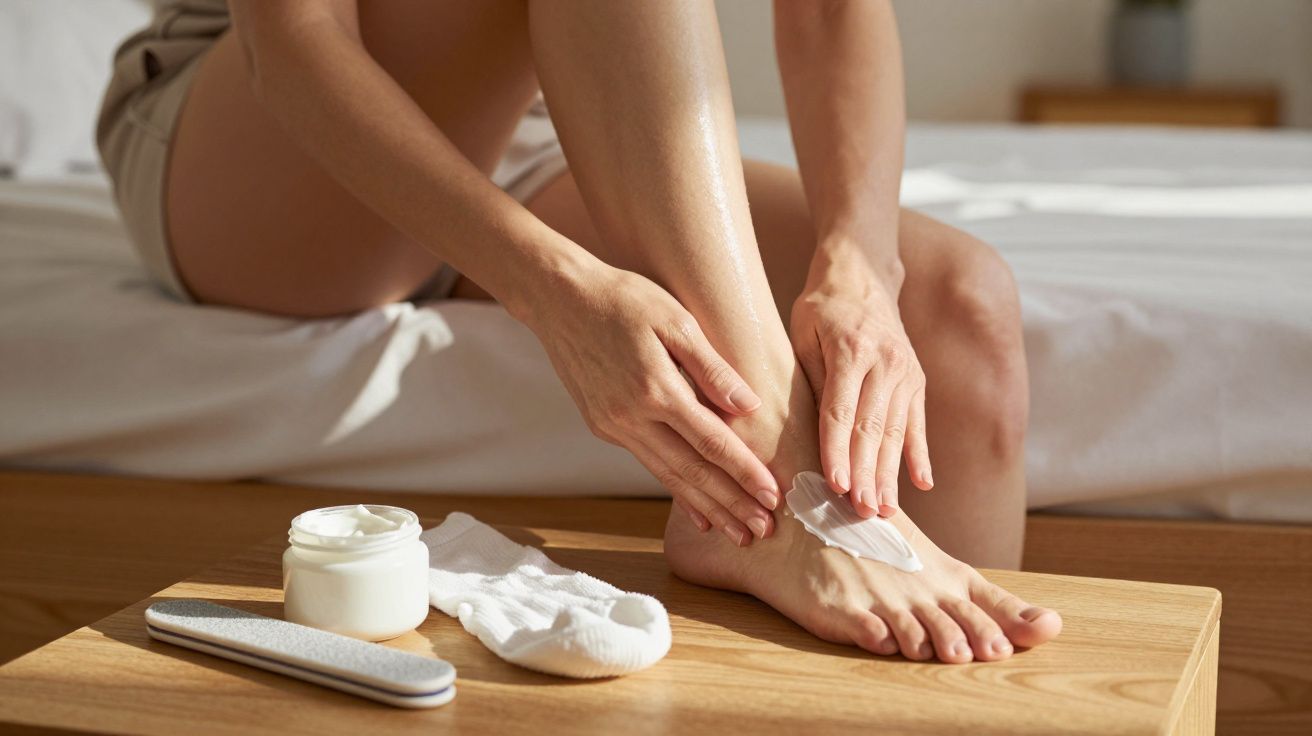
A pedicure can be the difference between “sandals, maybe” and “sandals, absolutely” - especially when seasonal foot care starts to matter again the minute the weather turns. After months in socks and boots, feet don’t just need polish; they need a reset that deals with texture, dryness and that tight, tired feeling that shows up the first warm weekend you’re on your feet all day. The upgrade isn’t more colour. It’s better prep, smarter exfoliation, and aftercare that lasts beyond the salon chair.
Most of us have been doing the same routine on repeat: quick soak, quick scrub, quick paint. It looks fine for a week, then the heels catch, the cuticles creep back, and you’re back to hiding your toes. Before summer, the feet actually need a pedicure that behaves more like maintenance than a treat.
The moment you realise your feet need more than “a tidy”
It tends to happen in very normal places: on the tube in open-toe mules, in a changing room under harsh lighting, or on a friend’s patio when someone says “shoes off?” and you suddenly become aware of every dry edge. Winter dryness doesn’t vanish because you booked an appointment. It needs a plan.
A proper pre-summer pedicure is less about transforming your feet overnight and more about removing the things that make them feel uncomfortable in heat: thickened skin, sweat build-up, friction points, and nails that are fine in trainers but annoying in sandals.
The upgrade: think “skin-first”, not “polish-first”
The most useful switch is simple: treat hard skin and nail health as the main event, and colour as the finishing touch. When the skin is smooth and hydrated, even a nude polish looks expensive. When it isn’t, glitter won’t save you.
Here’s what to ask for (or do at home) if you want the version that lasts:
- Dry, targeted callus work rather than aggressive rasping after a long soak. Over-softened skin can get over-filed, then rebound thicker.
- Cuticle care that’s gentle and precise: soften, push back, tidy only what lifts. Cutting too much often leads to rough regrowth.
- Nail shaping that suits sandals: slightly squarer with softened corners usually resists splitting and looks cleaner as it grows out.
- A finishing moisturiser that seals (think urea, glycerin, ceramides), not just a slippery lotion that disappears by bedtime.
If you’ve ever left with feet that feel great for 48 hours, then oddly rough a week later, it’s usually because the exfoliation was too harsh or the hydration step wasn’t doing any real work.
What actually works at home (and what quietly makes it worse)
Home pedicures fail when they go too big: long soaks, sharp tools, and “I’ll just take a bit more off” thinking. Feet like consistency more than intensity.
A good at-home rhythm looks like this:
- Wash and dry properly (especially between toes). Damp skin plus friction is how irritation starts.
- Exfoliate lightly, little and often: a foot file on dry skin for 30–60 seconds per foot, 2–3 times a week.
- Treat, then seal: apply a urea-based foot cream at night, then a thin layer of occlusive (like petroleum jelly) on the roughest spots.
- Socks for 20 minutes if you hate sleeping in them. You still get the “sealed” effect without the overnight commitment.
What to skip: blades, cheese-grater tools, and anything that leaves your heels feeling raw. The body reads that as damage and responds by building more thickened skin.
The sandal season pressure points nobody mentions
Summer changes how your feet behave. Heat makes them swell a touch, sweat increases, and friction comes from places that weren’t an issue in trainers. Seasonal foot care is partly about prevention: smoothing the spots that will rub before they get sore.
Pay attention to:
- Back of the heel (especially with sliders and new straps)
- Ball of the foot (more pressure when you walk on hard pavements)
- Sides of the big toe (hot spot for blisters and dry build-up)
- Between toes (sweat + trapped moisture can lead to irritation)
If you’re buying new sandals, break them in indoors first. Ten minutes around the house shows you where the rub will be, without sacrificing a whole afternoon to blisters.
If you get one add-on, make it this
Skip the novelty masks and go for an upgrade that supports the next month, not just the next photo.
The best value add-ons tend to be:
- A paraffin or deep hydration wrap if your heels crack or feel tight.
- A strengthening base coat treatment if your nails peel or bend.
- A proper massage to the lower leg and foot if you stand all day - it’s not indulgent, it’s circulation and comfort.
Gel can be brilliant for holidays, but it’s not automatically the “upgrade”. If your nails are already thin, gel removal without care can leave you worse off by July.
A simple pre-summer plan (that doesn’t require perfection)
You don’t need to overhaul everything. You need a short runway: a couple of weeks of steady care so the pedicure sits on a healthier base.
- Two weeks out: start light filing + nightly urea cream.
- One week out: do a tidy pedicure (or book one), focus on shaping and hard skin.
- Day before sandals: moisturise, wipe nails with remover, refresh top coat if needed.
- All summer: keep a mini foot cream by the bed and use it like brushing your teeth - boring, effective, non-negotiable.
The goal isn’t “perfect feet”. It’s feet that don’t snag on sheets, sting in straps, or make you avoid walking.
Quick guide: choose the right pedicure for your actual feet
| What you’re dealing with | Best pedicure focus | What to avoid |
|---|---|---|
| Thick heels, rough patches | Targeted callus + urea aftercare | Over-soaking + aggressive scraping |
| Peeling or weak nails | Gentle shaping + strengthening base | Harsh buffing to “thin it out” |
| Sweaty feet in summer | Antibacterial cleanse + breathable finish | Heavy occlusive between toes |
FAQ:
- Is it better to soak your feet before filing? A short soak is fine for cleansing, but heavy soaking can make skin too soft and easy to over-file. Light filing on dry skin is often more controlled.
- How often should I get a pedicure in summer? For most people, every 3–5 weeks works, with quick at-home maintenance in between. If you’re wearing sandals daily, small touch-ups matter more than frequent full treatments.
- Do foot peel masks count as the “upgrade”? They can help occasionally, but they’re unpredictable and can leave skin sensitive right when you want to wear sandals. For consistent results, gentle exfoliation plus urea cream tends to be more reliable.
- What’s the one product that makes the biggest difference? A urea-based foot cream (around 10–25% urea) used regularly, especially at night, is the most effective upgrade for dryness and roughness.
- Can I put moisturiser between my toes? Better not. Keep between-toe skin clean and dry; moisturiser there can trap moisture and irritate the area. Apply cream to soles, heels and tops of feet instead.


Comments (0)
No comments yet. Be the first to comment!
Leave a Comment