
It usually comes up at the worst moment: you’re already on the couch, cleanser on, appointment booked, and someone mentions a “little flare-up” like it’s background noise. Treatment contraindications exist precisely for these moments, when a routine beauty service meets real skin conditions and the outcome can swing from “glowy” to “weeks of regret”. The surprising part is not that clients forget; it’s that the one they miss most often sounds harmless.
I’ve watched it happen in consultation rooms and on DMs at 9pm. A client answers the standard questions briskly, a practitioner scans the form, and everyone wants to move on to the good bit. Then the skin reacts in a way that feels personal: stinging, swelling, pigment that lingers, or a breakout that isn’t really a breakout at all. It wasn’t the product. It was the context.
The contraindication that hides in plain sight
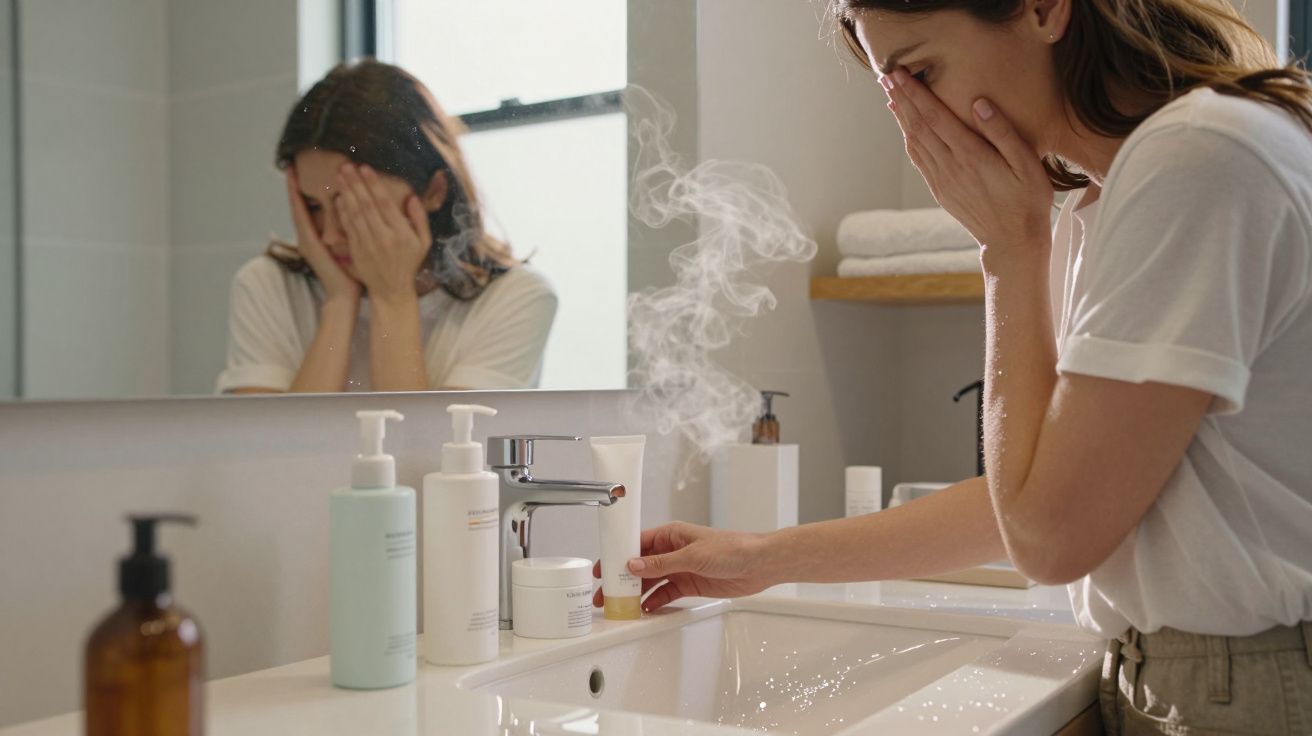
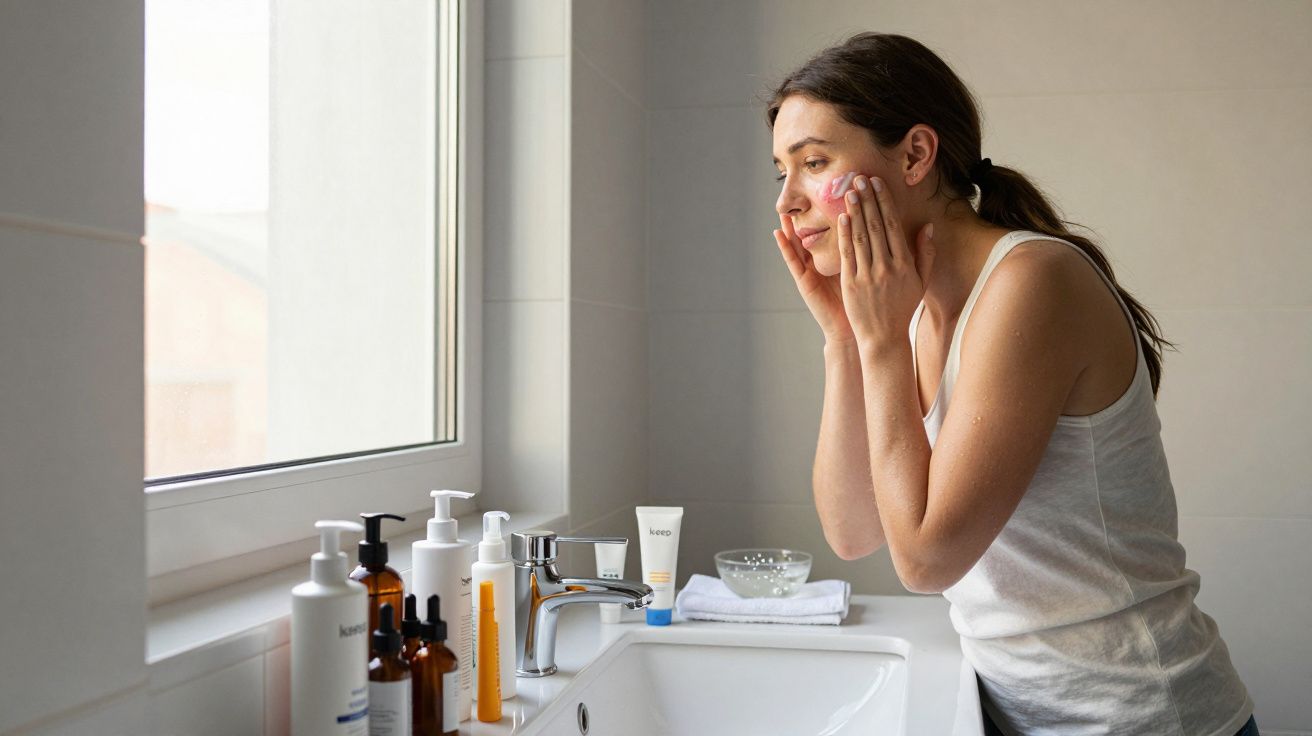
Most people can name the obvious “no’s”: pregnancy for certain actives, recent sunburn, an active cold sore before lip work. The one that slips through is a recent change in the skin barrier - often from retinoids, acids, steroid creams, or “just a bit of over-exfoliating”. Clients don’t file it as medical. They file it as skincare.
A compromised barrier isn’t dramatic until you treat it like it’s normal. Waxing pulls more than hair. Peels penetrate unevenly. Microneedling can inflame what’s already irritated. Even a “gentle” facial can become too much when the skin is already running on thin margins.
This is why contraindications are not a box-ticking exercise. They’re a quick risk map.
Why clients don’t mention it (and why it matters)
There’s a social pressure in beauty appointments: you don’t want to be the complicated person. People downplay eczema because it’s “only on my hands”. They forget the prescribed cream because it was “weeks ago”. They don’t think a new retinol counts because it came from a nice shop, not a pharmacy.
Then there’s the misunderstanding of time. In the mind of a client, “I stopped yesterday” feels like “I’m fine now”. In the biology of skin, yesterday is still happening.
A practitioner can’t undo a reaction with charm and a soothing mask. Once the barrier is inflamed, you’re often in damage-control mode: cool compresses, bland emollients, and time.
A simple “stress test” before you book (or before you start)
You don’t need to memorise every ingredient list. You just need a short, honest run-through that catches the common traps.
Ask yourself (or your client) these five questions:
- Have you started or increased retinoids (retinol, tretinoin, adapalene) in the last 2–4 weeks?
- Have you used acids more often than usual (glycolic, salicylic, lactic, strong vitamin C)?
- Have you had any skin conditions flaring: eczema, psoriasis, rosacea, dermatitis, acne that’s sore rather than spotty?
- Have you used steroid cream anywhere near the area being treated (even “just a little”)?
- Have you had recent sun exposure, windburn, or a holiday tan that’s still settling?
If any answer is “yes”, it doesn’t automatically mean “no treatment”. It often means “different treatment, different timing, or a patch test and a plan”.
What this changes, treatment by treatment
The same contraindication shows up differently depending on what you’re doing. This is where misunderstandings live: a client thinks they’re booking a category (“a facial”), but the skin experiences a mechanism (heat, abrasion, lift, penetration).
Here’s the practical translation:
- Waxing and threading: sensitised skin lifts, bruises, or tears more easily. Retinoids and recent peels raise the risk sharply.
- Chemical peels: barrier damage makes the peel behave unpredictably, creating hot spots of irritation and post-inflammatory hyperpigmentation.
- Microneedling: inflamed skin can stay inflamed; active acne lesions and certain dermatitis patterns can worsen rather than “heal faster”.
- Laser/IPL: pigment and inflammation are tightly linked. If the skin is primed with irritation, you’re closer to unwanted dark marks.
- Lash/brow tinting and lamination: dermatitis around the eyes is common and often unreported; a “slight itch” can become full contact irritation.
The client’s version is, “But I’ve had this done before.” The practitioner’s version is, “Yes - on different skin.”
The calmer way to handle it: postpone, pivot, protect
A good consultation doesn’t feel like a gate being slammed. It feels like someone protecting your face like it matters.
Three moves that prevent most avoidable reactions:
- Postpone by a week or two if the skin is actively irritated, flaking, or stinging with water. Let the barrier stabilise.
- Pivot to low-intervention options: hydrating treatment, LED (where appropriate), gentle massage, barrier-support routine advice.
- Protect the next 72 hours: no exfoliation, no saunas, no “fixing” with extra actives, and proper SPF if the area will see daylight.
It’s not glamorous advice, but it’s the difference between “nice results” and “why is it still red”.
| Quick check | What it can signal | Safer next step |
|---|---|---|
| Stings when cleansing | Barrier already compromised | Delay or choose soothing-only treatment |
| Recent retinoid/acid increase | Higher risk of lifting/irritation | Avoid waxing/peels; patch test where relevant |
| Flare of eczema/rosacea | Inflammation behaves unpredictably | Treat flare first; keep routine bland |
FAQ:
- Can I still have a facial if I’m using retinol? Often yes, but choose a barrier-focused facial and avoid aggressive exfoliation. Tell your practitioner exactly what you use and how often.
- How long should I stop retinoids before waxing? Many professionals advise pausing several days either side, but it depends on strength and skin response. If you’ve had dryness or peeling, postpone waxing and ask for a tailored timeline.
- Is “a bit of eczema” really relevant if it’s not on my face? It can be. Eczema signals a reactive barrier tendency, and stress or products used during a treatment can trigger new patches.
- What if I forget to mention a skin condition and react afterwards? Contact the practitioner promptly, stop actives, use bland emollients, avoid heat/exfoliation, and seek medical advice if swelling, blistering, or eye involvement occurs.
- Do patch tests actually help? They help for allergy-type reactions (tints, adhesives, some topicals). They won’t prevent irritation from over-exfoliation or treating compromised skin, which is why the consultation still matters.




Comments (0)
No comments yet. Be the first to comment!
Leave a Comment