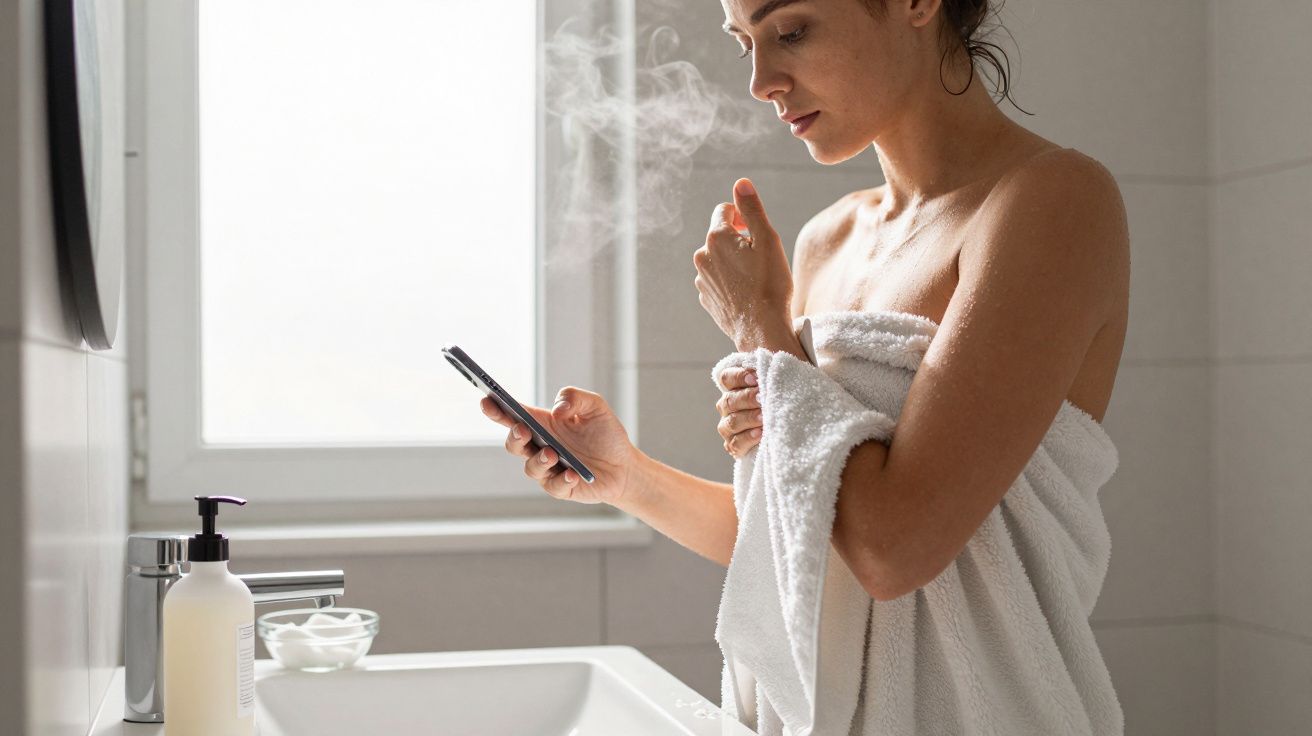
You book a spray tan because you want the colour now - for a wedding, a holiday, a random Tuesday when you’re tired of looking like winter. But what you really want is longevity: how many days you can rely on it before it starts going patchy, pale, or weirdly orange in the creases. And yes, the salon will say “about a week”, because that sounds comforting.
Then real life happens. You shower, you sweat, you shave, you sleep on your side, you forget moisturiser for two days, and suddenly your “week” looks more like “three-and-a-bit days with confidence, then a slow fade into excuse-making”.
The honest truth about spray tan longevity
A spray tan doesn’t “last” in the way a dye lasts. It develops on the outermost layer of your skin (the bits that are already on their way out), and your body sheds that layer constantly. So the real driver of longevity isn’t the brand, the booth, or the technician’s playlist.
It’s skin turnover plus friction.
That’s why two people can get the same solution, the same day, and one looks bronzed for eight days while the other is scrubbing a leopard-print ankle by day four. Your tan is only as stable as the skin it’s sitting on.
Most people get 5–7 days of decent colour, with a predictable pattern:
- Day 1–2: peak “fresh tan” look (especially if you moisturise and avoid hot showers)
- Day 3–5: still good, but you’ll notice it fading on hands, feet, chest, and any spot that rubs
- Day 6–8: soft fade for some; for others it’s when elbows, knees, and ankles start negotiating with gravity
If you’re after a number you can plan around: count on 4–6 days of feeling confidently tan, and up to 7–10 days of some colour remaining if you treat it kindly.
Why some tans vanish early (and why it’s not “your skin hates tan”)
It’s rarely mysterious. It’s usually one of these:
Heat and water speed everything up. Long hot showers, baths, saunas, and swimming don’t just “fade” the tan - they soften the skin and increase shedding. The colour leaves with it.
Friction is a quiet killer. Tight jeans, sports bras, rucksack straps, chafing thighs, even the way you sit cross‑legged can wear colour off like an eraser. Your tan doesn’t fade evenly when it’s being physically rubbed off.
Then there’s the classics we all pretend we didn’t do: using an oily body wash, forgetting to pat dry, shaving with a harsh razor, or doing a “quick exfoliating scrub” because you saw one dry patch and panicked. That “fix” is usually how streaks are born.
The longevity routine pros actually rely on
There’s no magic product that overrides biology, but there is a simple rule: keep the skin calm, hydrated, and un-rubbed for as long as you can. Think less “beauty ritual”, more “don’t disturb the paint while it dries”.
Here’s the small set of habits that makes the biggest difference.
Before your tan (the part everyone rushes)
- Exfoliate 24 hours before, not right before. Aim for smooth, not raw.
- Avoid heavy oils and rich body butters on the day; they can act like a barrier.
- Shave/wax the day before if possible. Freshly shaved skin plus DHA can get speckly fast.
If you can only do one thing: exfoliate ankles, knees, elbows and wrists properly, then leave them alone. Those are the first places to go strange.
After your tan (where longevity is won)
- Wait the recommended time before showering (usually 6–12 hours), and keep the first rinse short.
- Use lukewarm water. Hot water is basically an express lane to fade.
- Pat dry - don’t rub like you’re polishing a car.
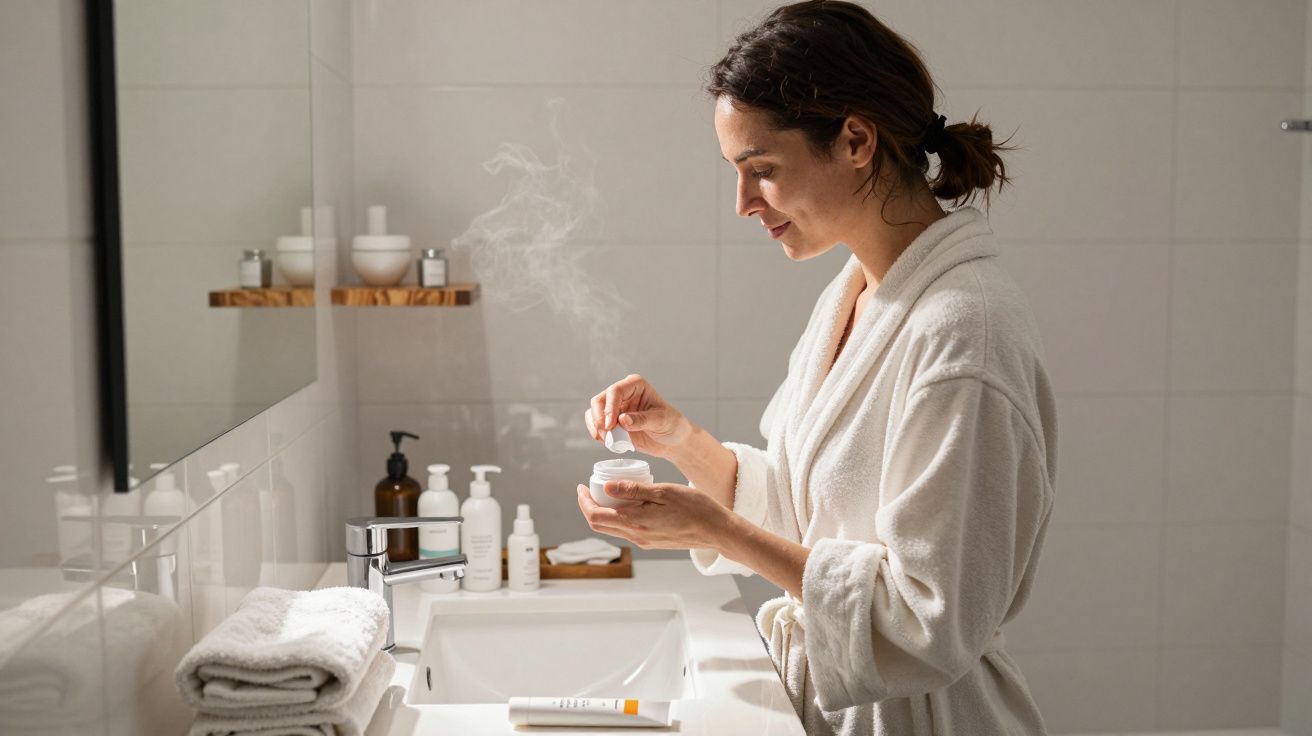
- Moisturise daily, starting after your first rinse, with a light, non-oily lotion.
Common trip‑ups: body oils, exfoliating shower gels, loofahs, and anything that says “polishing” on the label. If you want longevity, your shower routine needs to be boring.
The areas that always fade first (so you don’t take it personally)
Hands and feet are the headline, because they’re washed, used, and rubbed constantly. But the sneaky ones are:
- Chest and neck: perfume, scarves, and cleansing can strip colour
- Inner arms and underarms: shaving + deodorant + friction
- Waistband area: tight trousers and constant movement
- Ankles and tops of feet: socks, trainers, and bedding friction
If your tan “doesn’t last”, check whether your life is basically a friction machine. The tan isn’t failing; it’s keeping up with your habits.
If you want it to last for an event, time it like this
People often get a spray tan too early, then spend the big day in the “mid-fade” phase wondering why their hands look lighter than their arms. You want to peak during the event, not before it.
A simple timeline that works for most:
- Two nights before: spray tan appointment (evening)
- Morning after: first rinse, moisturiser, gentle day
- Event day: colour is settled, even, and still looks fresh
If you tan the night before, you can still look great - but you’re risking sleep creases, rushed rinsing, and makeup/perfume rubbing a still-developing tan on the day.
Keep it longer without going darker: the “top-up” trick
When a tan starts to fade, most people either ignore it until it looks sad, or scrub it off in anger. A calmer option: use a gradual tanner or tan drops mixed into moisturiser on days 3–6.
You’re not trying to recreate day-one intensity. You’re just smoothing the fade so you don’t get that sudden “why do my legs look different to my arms?” moment.
The rule is simple: top up lightly, avoid hands and feet (or wipe them carefully), and keep moisturising. You’ll extend the “good tan” window without piling colour into creases.
| Situation | What to expect | What helps most |
|---|---|---|
| Normal week, normal showers | 5–7 days decent colour | Moisturise daily + lukewarm showers |
| Gym, tight clothes, lots of sweating | 3–5 days | Loose clothing + quick showers + pat dry |
| Holiday swimming / hot tubs | 2–4 days of “fresh” | Barrier moisturiser after rinsing + gentle cleansers |
FAQ:
- How long does a spray tan really last on average? Most people get 5–7 days of decent colour, with the most “fresh” look in the first 2–3 days.
- Why do my hands and feet fade so fast? Constant washing, friction from shoes/socks, and thicker skin that sheds unevenly. Use less product there and moisturise, but avoid heavy oils.
- Does moisturising actually make a tan last longer? Yes. Hydrated skin sheds more evenly, so the tan fades more smoothly and often lasts longer in a presentable way.
- Will shaving remove my tan? It can speed fading, especially with harsh shaving gels or frequent shaving. Use a gentle razor, minimal pressure, and a bland, moisturising shave product.
- Can I make it last 10 days? Sometimes, especially if you moisturise daily and avoid heat, friction, and long soaks. But plan for 4–6 “confident” days and treat anything beyond that as a bonus.


Comments (0)
No comments yet. Be the first to comment!
Leave a Comment